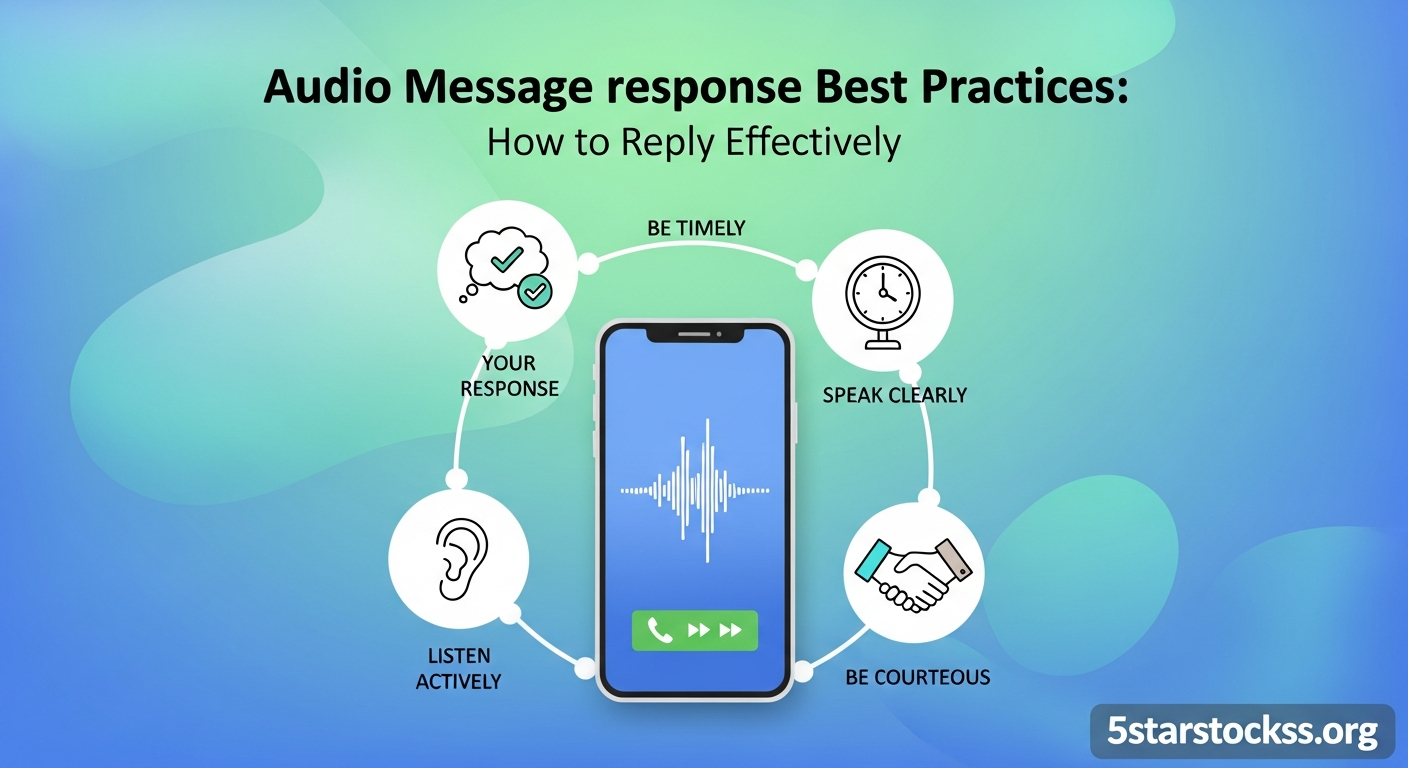
audio message response best practices
Audio Message Response Best Practices: Communicate Clearly and Professionally
Audio messages have become a popular way to communicate in both personal and professional settings. Using them effectively requires knowing the audio message response best practices to ensure your replies are clear, respectful, and timely. Whether you are responding to work instructions, client requests, or casual chats, following certain guidelines can make your audio responses impactful and efficient.
Using audio messages is convenient, but without proper etiquette, your responses may come across as confusing or unprofessional. Learning the audio message response best practices can help you communicate your thoughts effectively, save time, and maintain good relationships with colleagues, clients, and friends.
Why Audio Messages Are Important
Audio messages are faster than typing long texts and allow you to convey tone and emotion. They are ideal for situations where a written response may not capture your intent. However, because they are often quick and informal, it’s easy to make mistakes. By following the audio message response best practices, you can make sure your replies are clear and well-received.
Respond Quickly But Thoughtfully
One of the key audio message response best practices is responding promptly. Quick responses show attentiveness and respect. However, speed should not compromise clarity. Take a moment to think about your response and structure your message so the recipient can understand you easily.
Keep Your Messages Short and Focused
Long audio messages can be overwhelming. A major tip in audio message response best practices is to keep your replies concise and to the point. Aim for messages that are clear, organized, and focused on one topic at a time. This helps the listener process information without confusion.
Use a Friendly and Professional Tone
Tone matters a lot in audio messages. Your voice conveys emotion and intention. When following audio message response best practices, make sure your tone is friendly but professional. Avoid sounding rushed or uninterested. Smile while speaking—it naturally makes your voice warmer and more approachable.
Structure Your Audio Messages Clearly
Good structure is essential. Start with a greeting, briefly mention the context of the message, provide the main points, and conclude politely. This structure is part of the audio message response best practices that ensure your listener can follow your message easily without repeated listening.
Check Your Background Noise
Background noise can distract from your message. One of the lesser-known audio message response best practices is recording in a quiet environment. Turn off any loud appliances, and avoid noisy places to ensure your message is clear. Good audio quality increases professionalism.
Be Mindful of Your Volume and Pace
Speaking too fast or too quietly can make your message hard to understand. Speaking at a steady pace and clear volume is a simple but important part of audio message response best practices. Practice moderation in tone and speed to make sure your audience hears every word.
Use Proper Language and Avoid Slang
While casual audio messages are common, avoid excessive slang or abbreviations, especially in professional settings. Part of audio message response best practices is using language that is clear and appropriate for your audience. This ensures your message is understood correctly and maintains respect.
Confirm Important Details
When responding to requests or instructions via audio messages, confirm the details clearly. Repeat key points if necessary. This technique is a core part of audio message response best practices and reduces misunderstandings.
Use Emojis or Text Sparingly with Audio
Sometimes, sending a short text along with your audio can clarify a message. For example, sending a “Thank you” text with an audio explanation can enhance communication. This is a modern tip in audio message response best practices for mixing formats effectively.
Practice Active Listening
Before responding, listen carefully to the message you received. Make notes if needed. Active listening ensures your audio reply addresses all points. This approach is critical in audio message response best practices for professional and personal communication.
Avoid Overusing Audio Messages
While audio messages are convenient, overusing them can overwhelm your audience. Part of audio message response best practices is knowing when to switch to text or a call. Balance is key to keeping communication efficient and respectful.
FAQs
Q: How long should an audio message reply be?
A: Ideally, under one to two minutes. Keep it concise while covering the necessary points.
Q: Can I send audio messages for professional work?
A: Yes, if done professionally. Follow the audio message response best practices like clarity, tone, and structure.
Q: What if my message is misunderstood?
A: Clarify with a follow-up audio or text message. Listening carefully and confirming details is important.
Q: How often should I respond to audio messages?
A: Respond as soon as possible but ensure your message is thoughtful and clear. Quick but meaningful responses are preferred.
Conclusion
Following audio message response best practices ensures your communication is clear, professional, and effective. From responding promptly to keeping your messages concise and using the right tone, these guidelines help you make a positive impression. By practicing these tips consistently, you can enhance your personal and professional communication, reduce misunderstandings, and make your audio messages impactful every time.audio message response best practices
About the Author