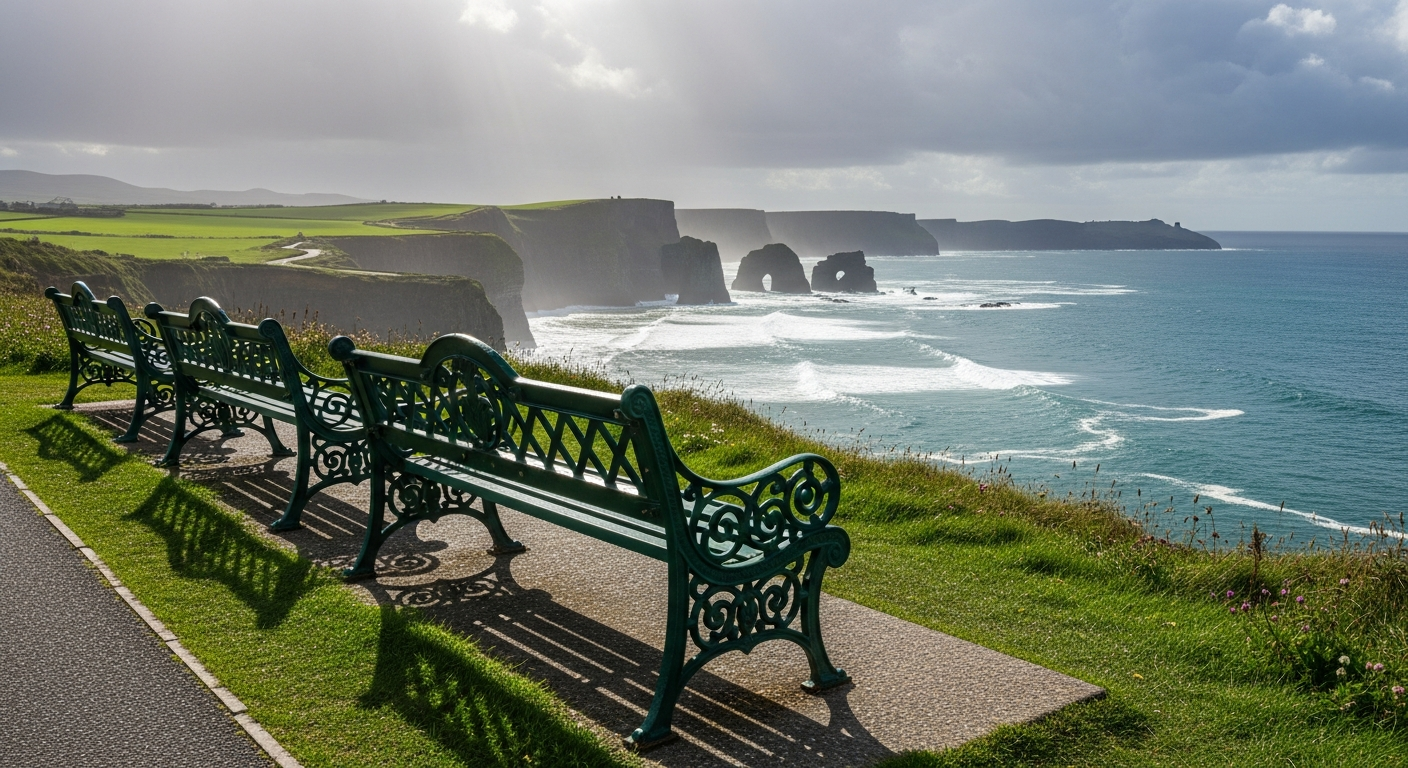
Kilkee is a small coastal town with a big heart. Known for its cliffs, fresh sea air, and friendly people, it has always cared about nature. Recently, something simple yet powerful happened. Kilkee benches replaced plastic, and that small change started a much bigger conversation. Visitors noticed it. Locals felt proud. Environmental groups started talking about it.
This article explores the full story behind why Kilkee benches replaced plastic seating and what it truly means. We will look at the reasons, the process, the impact, and the lessons other towns can learn. Everything is explained in a clear and friendly way. No fancy words. No confusing ideas. Just real people, real actions, and real results.
If you care about cleaner towns, safer oceans, and smarter choices, this story matters. Even one bench can make a difference. And Kilkee proved that perfectly.
Why Kilkee Decided to Replace Plastic Benches
For many years, plastic benches were common in Kilkee. They were cheap and easy to install. But over time, problems started to appear. The plastic faded in the sun. Cracks formed. Pieces broke off and blew toward the sea. Locals worried about where that plastic ended up. Many feared it would reach the ocean and harm wildlife.
Community members began to speak up. Fishermen, parents, and shop owners shared concerns at town meetings. They talked about plastic pollution and how small items slowly add up. The town council listened carefully. They realized that keeping plastic benches went against Kilkee’s image as a clean, nature-loving place.
That moment sparked change. Kilkee benches replaced plastic not because it was trendy, but because it felt right. The town wanted long-lasting benches that matched their values. They wanted seating that respected the land and sea. This decision came from shared care, not pressure.
What Materials Replaced Plastic in Kilkee Benches
When Kilkee benches replaced plastic, the town didn’t rush the choice. Officials and residents explored different materials. They looked at treated wood, recycled metal, and even stone options. The goal was simple. The benches had to be strong, safe, and kind to nature.
They finally chose a mix of responsibly sourced timber and recycled metal frames. The wood came from certified forests. That meant no illegal logging and careful tree replanting. The metal parts were made from reused materials, reducing waste. Together, these materials created benches that looked natural and felt solid.
People quickly noticed the difference. The benches stayed cool in summer and didn’t crack like plastic. They blended with the coastal scenery instead of standing out. Most importantly, they would not break down into tiny plastic pieces. This choice showed that smart design can protect both people and the planet.
Environmental Benefits of Replacing Plastic Benches
The biggest win came from helping the environment. When Kilkee benches replaced plastic, the amount of plastic waste dropped instantly. No broken plastic pieces. No faded parts to throw away every few years. This helped reduce landfill waste and ocean pollution.
Plastic can take hundreds of years to break down. Along the coast, broken plastic often ends up in the sea. Fish, birds, and seals mistake it for food. This causes serious harm. By removing plastic benches, Kilkee reduced one more source of danger to marine life.
The new benches also last longer. That means fewer replacements and less manufacturing over time. Less manufacturing means lower carbon emissions. It all connects. One decision leads to many positive results. Kilkee showed that environmental care does not require huge sacrifices. Sometimes, it starts with replacing something simple.
How the Community Responded to the Change
Community support made this project a success. When Kilkee benches replaced plastic, locals felt included. They had been part of the discussion from the start. That made a big difference. People tend to care more when they feel heard.
Many residents shared kind words on local notice boards and social media. Older residents enjoyed the comfort of the new benches. Parents felt safer letting children play nearby. Visitors often stopped to admire the design. Some even asked questions about the materials used.
Local schools used the benches as teaching tools. Teachers talked about sustainability and smart choices. Students learned how small actions matter. This sense of shared pride brought people closer together. The benches became more than seats. They became symbols of teamwork and responsibility.
Tourism Impact After Kilkee Benches Replaced Plastic
Kilkee is a tourist town, especially during warmer months. Visitors come for the views, walks, and clean beaches. When Kilkee benches replaced plastic, it quietly improved the visitor experience.
Tourists noticed how well the benches fit the landscape. Many commented that the town felt more natural and cared for. Some shared photos online, praising Kilkee’s eco-friendly efforts. This kind of attention is valuable. Travelers today often choose places that respect nature.
Local businesses also benefited. Cafés and shops near the new benches saw more foot traffic. People stayed longer, relaxed more, and enjoyed the space. While the benches were not installed for tourism alone, they clearly helped. They showed that caring for the environment can also support the local economy.
Cost vs Value: Was Replacing Plastic Worth It?
At first, some worried about cost. Plastic benches are cheap upfront. Wood and recycled metal cost more. But Kilkee looked beyond the price tag. They focused on long-term value.
Plastic benches often need replacing every few years. Sun damage, cracks, and wear happen fast. The new benches are built to last much longer. That means fewer replacements and lower costs over time. Maintenance is also easier. Small repairs beat full replacements.
When Kilkee benches replaced plastic, the town invested in durability. Over ten or twenty years, the savings add up. This careful planning showed financial responsibility. It proved that green choices can also be smart money choices.
Safety and Comfort Improvements with New Benches
Comfort matters, especially in public spaces. Plastic benches often get slippery when wet. They can also become very hot in the sun. Many people avoid sitting on them.
The new benches feel different. The wood stays cooler and provides better grip. The design supports good posture. Older residents noticed this right away. Parents felt happier letting children sit and rest.
Safety improved too. No sharp plastic edges. No broken pieces. When Kilkee benches replaced plastic, the town created a safer environment for everyone. Small comfort changes can greatly improve daily life. These benches invite people to stop, rest, and enjoy the moment.
Lessons Other Towns Can Learn from Kilkee
Kilkee’s story offers clear lessons. First, listen to the community. Change works best when people feel involved. Second, think long-term. Cheap solutions often cost more later.
Other towns can start small. Replace one type of plastic item at a time. Learn from the results. Share the story. When Kilkee benches replaced plastic, they didn’t claim to save the world. They focused on doing one thing better.
This approach builds trust. It also encourages others to follow. Already, nearby towns have asked questions about materials and costs. Change spreads when people see success. Kilkee became a quiet leader by taking a thoughtful step.
The Role of Local Government and Planning
Local government played an important role. The council researched options and worked with experts. They followed environmental guidelines and safety standards. They also kept the public informed.
Transparency mattered. Budgets were shared. Plans were explained. This built trust. When Kilkee benches replaced plastic, people understood why and how it happened.
Good planning avoids mistakes. The council considered weather, salt air, and heavy use. They chose materials that could handle coastal conditions. This careful approach ensured the benches would last and stay safe for years.
How This Change Supports Ireland’s Sustainability Goals
Ireland has clear sustainability goals. Reducing plastic use is a big part of them. When Kilkee benches replaced plastic, the town aligned with national efforts.
Local actions support bigger plans. Every town that reduces plastic helps the country meet its targets. Kilkee showed that even small towns can contribute. They didn’t wait for laws or pressure. They acted early.
This proactive approach sets a strong example. It shows that sustainability is not just for big cities. Coastal towns have a special responsibility because of their close connection to the sea.
Personal Reflection: Why This Story Matters
As someone who values clean spaces, this story feels personal. I’ve sat on broken plastic benches before. They feel temporary and careless. Seeing towns choose better options gives hope.
Kilkee benches replaced plastic not for praise, but for principle. That honesty matters. It shows real care, not greenwashing. When I imagine children growing up in cleaner towns, it feels worth it.
Stories like this remind us that progress does not need to be loud. Quiet, steady changes often last the longest. Kilkee proved that with a simple bench.
(FAQs)
Why did Kilkee remove plastic benches?
Kilkee removed plastic benches to reduce plastic waste, protect marine life, and improve comfort. Plastic broke down easily and harmed the environment.
What replaced the plastic benches in Kilkee?
The plastic benches were replaced with responsibly sourced wood and recycled metal benches designed for coastal conditions.
Did replacing plastic benches cost more?
The upfront cost was higher, but long-term savings came from durability and lower maintenance needs.
How did residents react to the change?
Most residents supported the move. They felt proud and appreciated being involved in the decision.
Did tourism improve after the change?
Yes, visitors noticed the eco-friendly benches and shared positive feedback, helping Kilkee’s image.
Can other towns copy Kilkee’s idea?
Absolutely. Kilkee’s approach shows that small, thoughtful changes can work anywhere.
Conclusion
The story of how Kilkee benches replaced plastic proves something important. Change does not need to be massive to matter. One town. One decision. One better choice. That is enough to start.
These benches now stand quietly along paths and viewpoints. People sit, rest, and talk. Birds fly nearby. The sea remains cleaner. All because plastic was replaced with care.
If you are part of a community, ask what small change could be made next. A bench. A bin. A habit. Kilkee showed us that when people care, good things happen. Let this story inspire the next simple step toward a cleaner, kinder world.
About the Author